
Conversos- Jews from Spain and Portugal who, to escape torture and death, converted to Christianity during the Spanish Inquisition of the 14th and 15th centuries; also refers to their descendants
Crypto-Jews – Those who outwardly converted but maintained Jewish traditions in secret
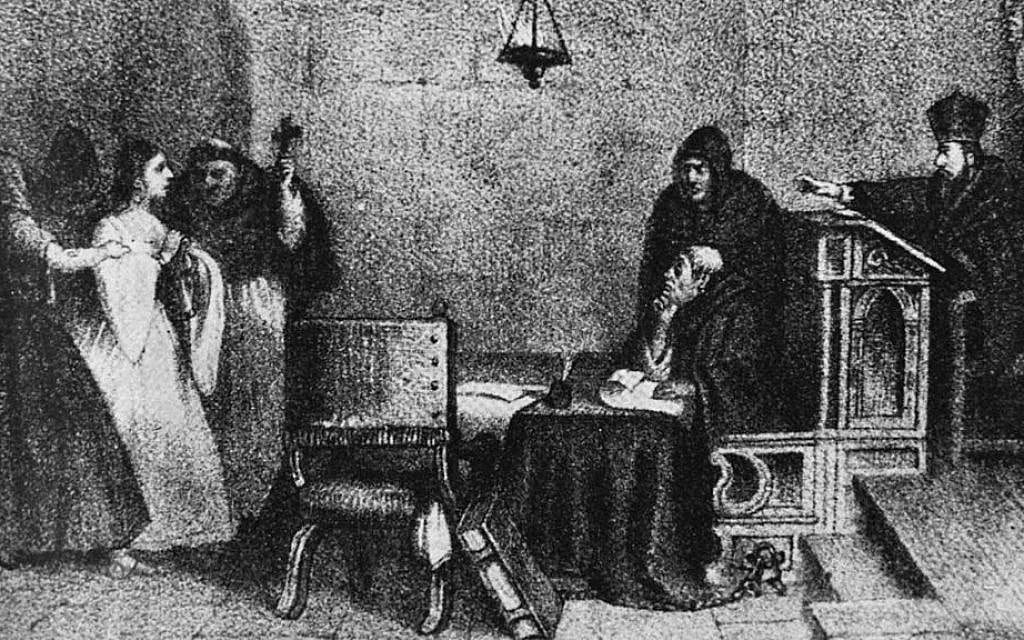
The Inquisitor’s tribunal
Melungeons
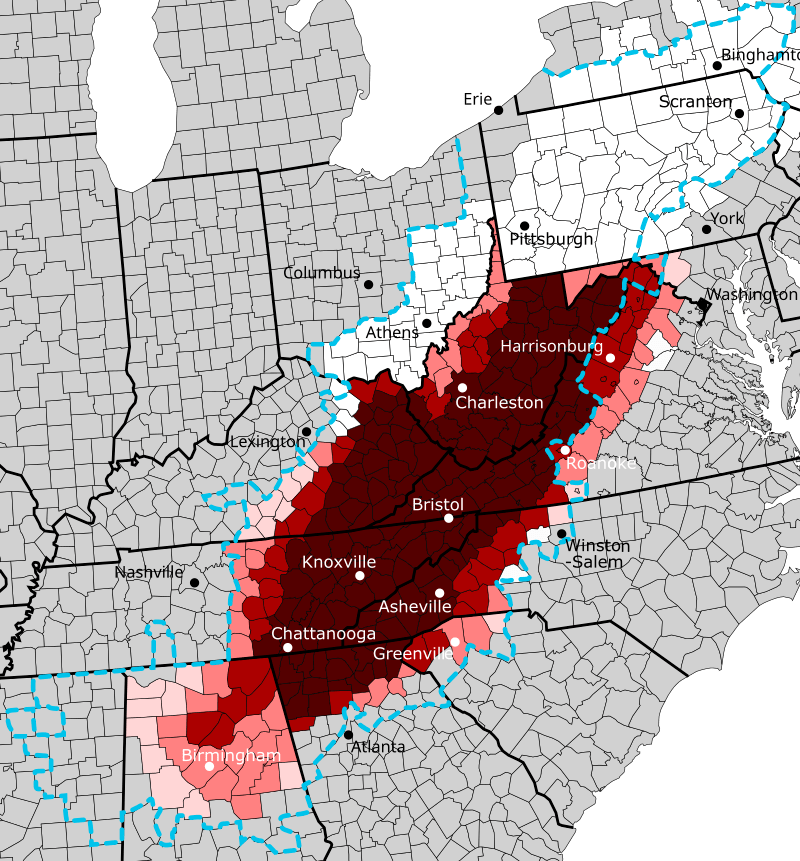
When the English and Scots-Irish first began to explore and settle the Southern Appalachians, they reported encountering a strange people with distinctly European features but darker skinned than Northern Europeans, speaking strange languages, and claiming to be Portuguese and sometimes Jewish.
These mysterious people, known as Melungeons, may have settled the Appalachian wilderness as early as 1567, forty years before the Jamestown settlement and over 150 years before the English and Scots-Irish began to move into some of these areas.
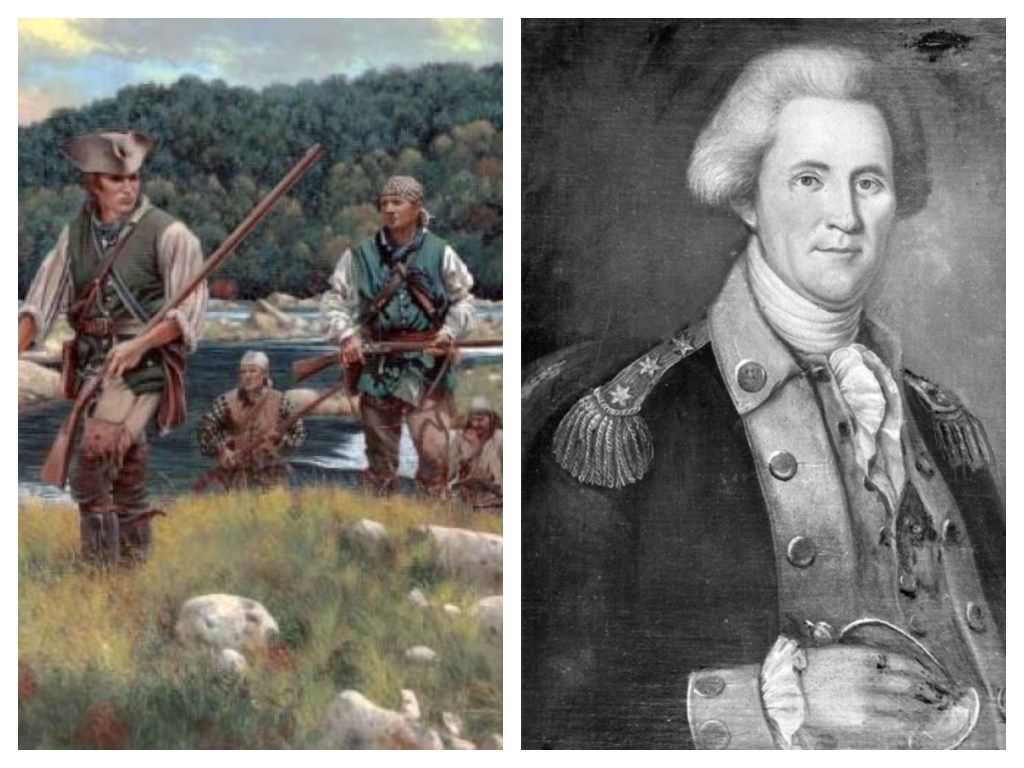
No one knows exactly when the English and Scots-Irish settlers first “discovered” the Melungeons, although Melungeon numbers were substantial by the time John Sevier, who later became Governor of Tennessee, encountered them in 1784.
There are accounts of Melungeons in the Alleghanies in 1654 and also in the Carolinas as early as the mid-1600s. By the 1750s, they were speaking a broken form of English and had English or Scottish surnames, but were claiming a Mediterranean heritage, usually Portuguese but also Spanish.
Also unknown is the origin of the term Melungeon. It has been suggested that the word comes from an Arabic word meaning “cursed souls” or from the French word “mélange” for mixed race. Melungeons were described as being a dark skinned, reddish brown-complexioned people with fine European features, dark eyes, and dark hair. They spoke strange languages and did not fit completely into any of the traditional racial categories that existed at the time: white, black, mulatto or Indian. When the first U.S. census was taken in 1790, many Melungeons were designated as FPC, Free Persons of Color. In subsequent years, many Melungeon families attempted to avoid the census takers altogether.

By the 1800s, Melungeons in many areas had intermarried with incoming European settlers, runaway slaves and surrounding Native American tribes to the extent that families “became” Indian or black or white. Those with fairer skin were able to hold onto their bottomlands in Appalachia and prospered. Others retreated higher into the mountains.
Many Melungeons lost their roots and the knowledge of their ancestry and heritage, but in the past few decades many Melungeon descendants have rediscovered and embraced that ancestry.
Modern DNA studies have shown that Melungeon descendants are a tri-racial group with European, Native American, and African ancestry. When first encountered, they claimed to be of Mediterranean descent, specifically Portuguese, and today, many Appalachian people of Melungeon descent are finding that they do have Jewish ancestry from the Iberian Peninsula (Spain and Portugal).

 The Appalachian Jew