Category: Judaism

  • Inviting ancestors into the sukkah

    Inviting ancestors into the sukkah

    This week Jews around the world are celebrating the holiday of Sukkot, an annual holiday that follows the High Holy Days of Rosh Hashanah and Yom Kippur. The word Sukkot means “booths” or “huts,” and the holiday is both an agricultural festival of thanksgiving and a commemoration of the years spent wandering in the desert with no permanent homes.

    In the Hebrew Scriptures, Sukkot is referred to as the Feast of Booths. Christians may be familiar with the term Feast of Tabernacles which is used in the 7th chapter of John, describing how Jesus traveled to Jerusalem for the week-long festival.

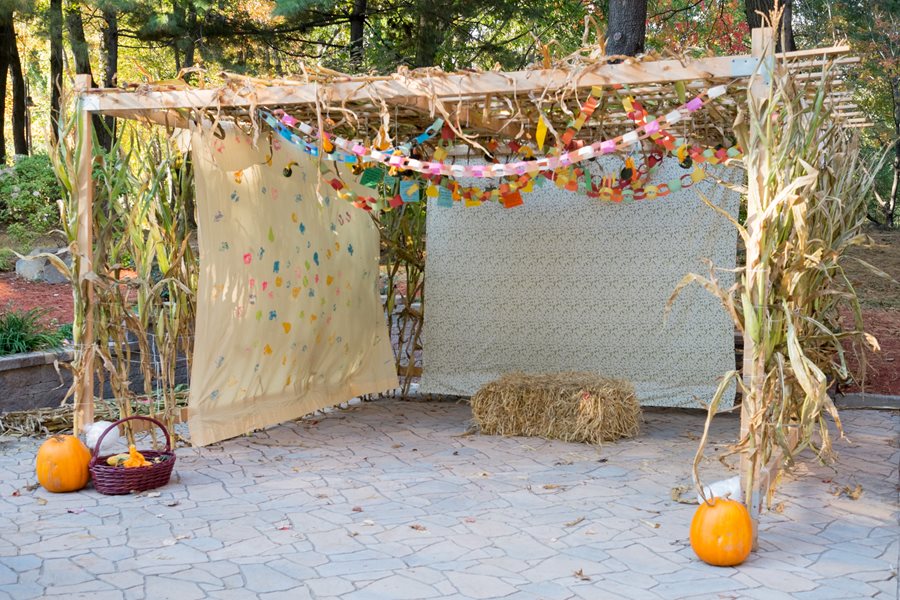
    To celebrate the festival today, Jews often build a sukkah, a temporary shelter with at least three sides and a roof-covering of natural materials that provide shade yet allow those sitting in the sukkah to see the stars at night. Sukkahs can be as simple or as elaborate as each family or community desires. Meals may be eaten in the sukkah, and in some cases people sleep in the sukkah overnight.
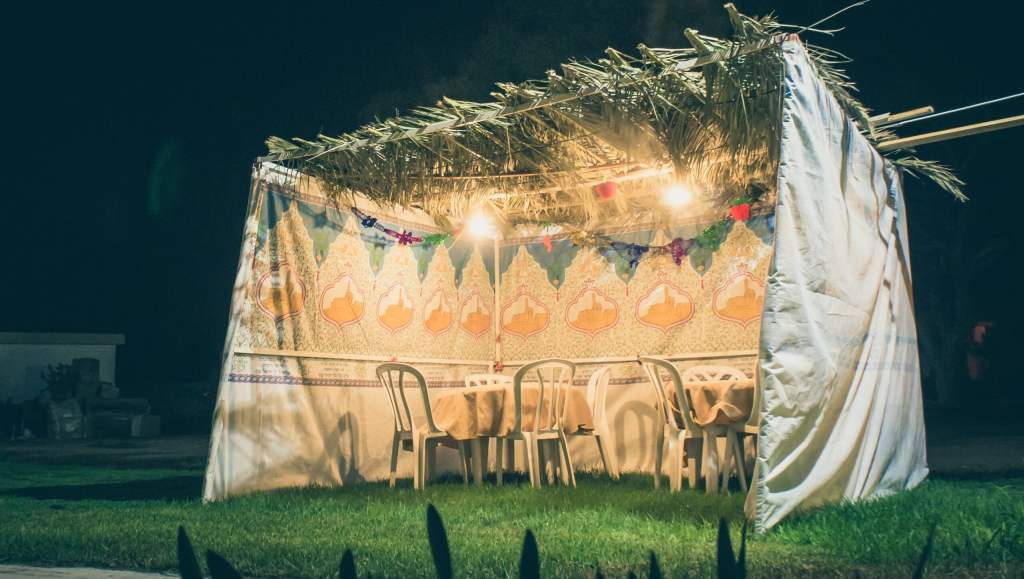
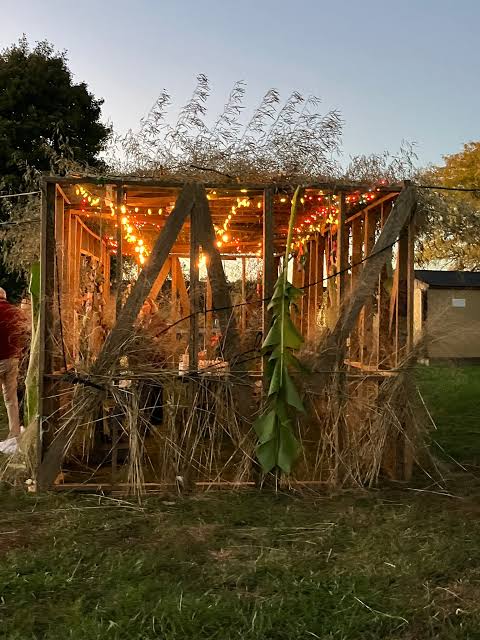
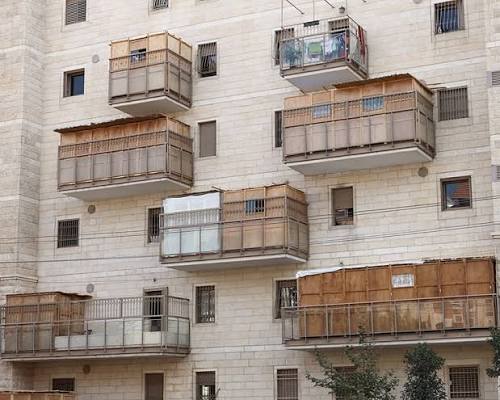


    I have somewhat of a makeshift sukkah on one end of my front porch, and I am spending some time every day sitting there. Because of where I live, and due to the fact that there are wild animals (bears, cougars, bobcats, and coyotes) around my property, I don’t set up a proper sukkah either in front of or in back of my house, and I would never sleep in my makeshift sukkah on my front porch.

    Extending hospitality to others is a custom during Sukkot. Tradition states that there are special guests who are there in spirit: Abraham, Isaac, Jacob, Moses, Aaron, and David. Today, Jews are encouraged to add women of the Bible to that list and to invite friends and relatives to join them in the sukkah.

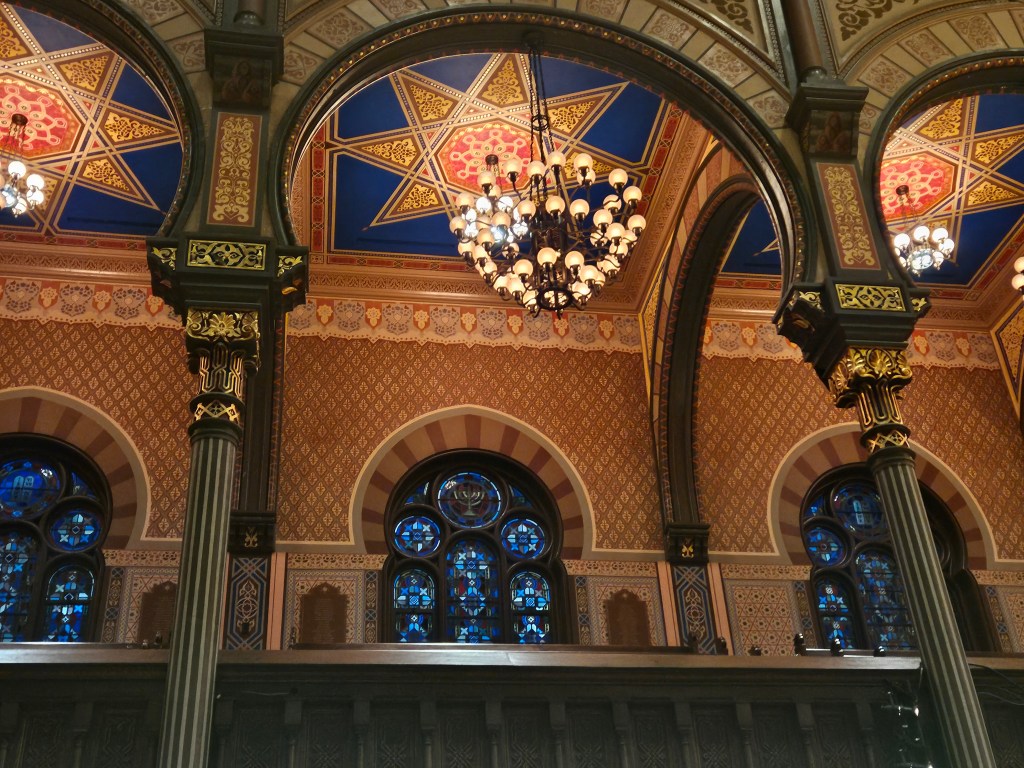
    Sukkot is also a wonderful time to honor our own personal ancestors, and many Jewish communities have begun asking their members to consider who they would invite to join them in the sukkah if they could. My Central Synagogue community did this tonight, and people shared family stories about parents, grandparents, aunts, uncles, other relatives, and friends who inspired them or were influential in their lives.

    I thought about who I would invite and shared that if I could invite any of my ancestors into my sukkah, I would invite my great-great grandparents, Ceborn and Eliza Westmoreland through whom my Jewish ancestry comes on my mother’s side.

    My ancestors have lived in Appalachia since before the Revolutionary War, and there were always Sephardic Jews in my family. Ceborn was a Melungeon, which is a mixed-race group of Appalachian people with Sephardic, Northern European, African, and Native American ancestry. Eliza also had Sephardic ancestry, her family having fled the Spanish Inquisition, and after several generations in France and England, making their way to America. This ancestry was hidden, apparently being passed down by word of mouth to one person in each generation. I happened to be the person who was told almost 100 years later.

    Ceborn and Eliza were born in the hills of Appalachia in the early 1840s. They married in 1860 when Ceborn was 20 years old and Eliza was only 16.  

    Six months after they married, the Civil War broke out. Knowing he would be drafted anyway, Ceborn joined the Confederate army as a conscientious objector, stating that he would never point a gun at another human being. He was detailed as a combat medic and served in field hospitals on the front lines in Kentucky, Tennessee, and Georgia. Eliza and her sisters-in-law essentially worked in the resistance, providing assistance to those fleeing the war.

    After the Civil War, Ceborn was ordained as a Baptist preacher, but he later abandoned Christianity and became known to his extended family as “The Infidel.” He opened a dry goods store, and when he died, he was remembered as a man “whose life was spent in helping the needy, out of his great love for humanity.”

    Ceborn and Eliza had 10 children, and I am descended through one of their younger daughters, Lillie, who I knew well, as she lived to be almost 112. In 1920, that daughter (my great grandmother) and her husband, who was a former state legislator and progressive attorney living in Athens, GA, had to flee rampant anti-semitism and the Ku Klux Klan, loading their 6 daughters in a wagon and traveling in the dead of night to Ceborn and Eliza’s home further back in the hills.
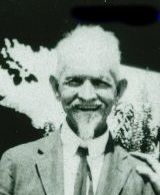
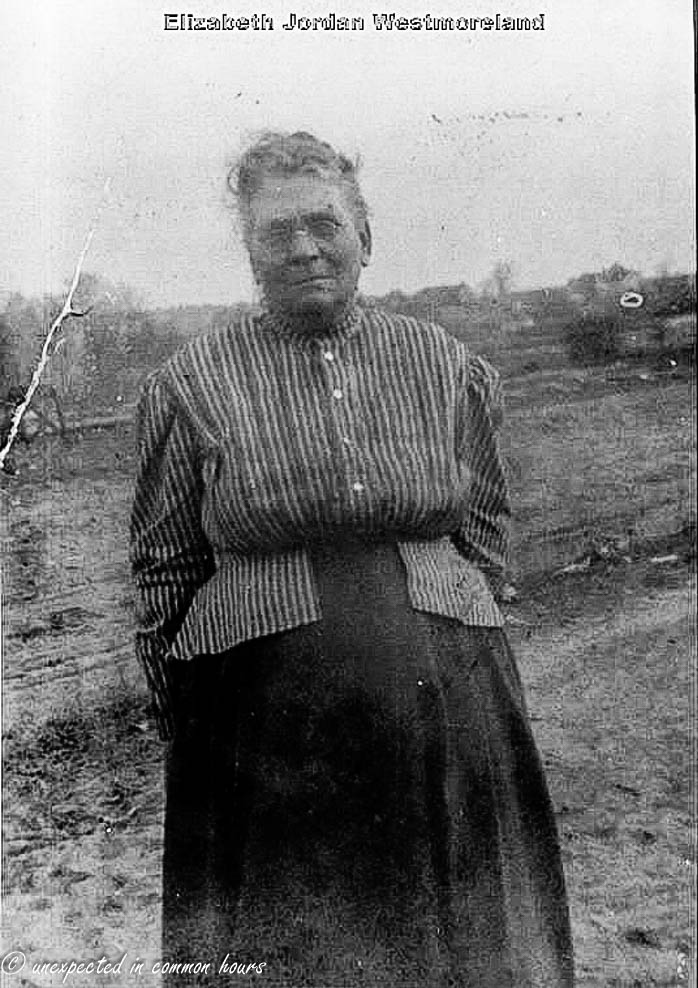
    Ceborn Westmoreland and Eliza Westmoreland
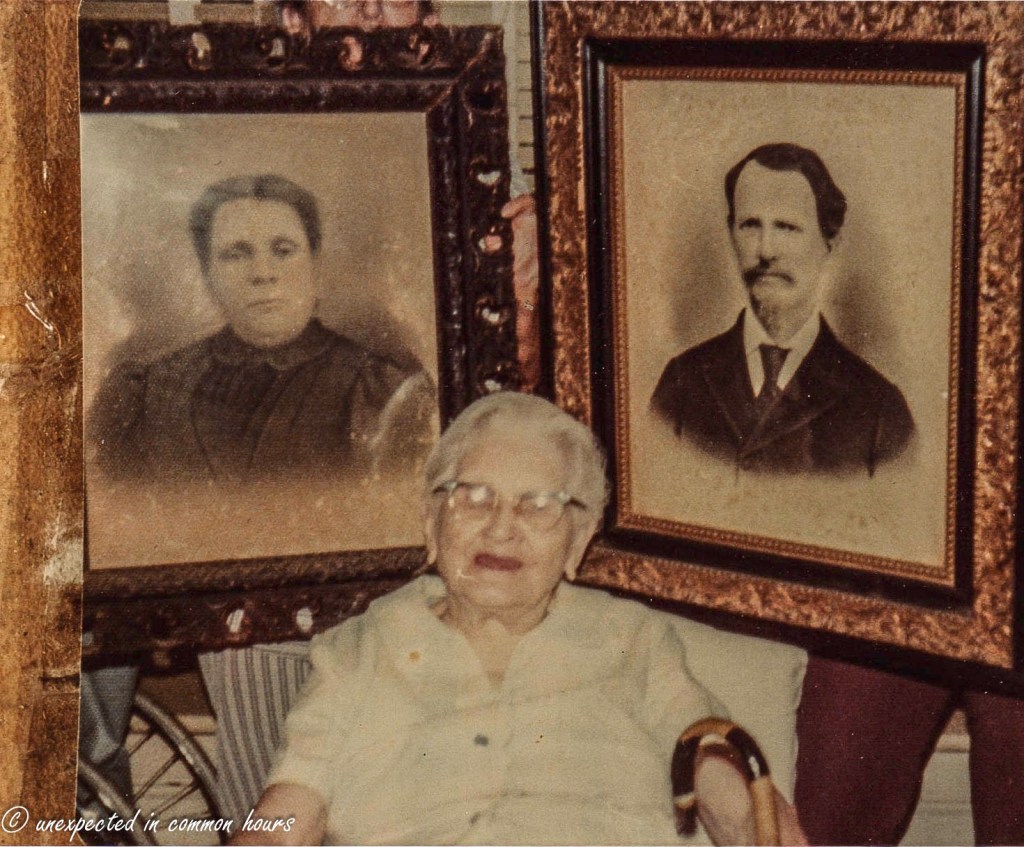

    My great grandmother, Lillie Westmoreland Dorough, with photos of Ceborn and Eliza


    Ceborn and Eliza lived long lives, and I’ve always felt a connection with them. I would love to be able to invite them into my sukkah and sit down with them and hear their stories firsthand.
  • Joy is the ultimate medicine

    Joy is the ultimate medicine

    “Joy is the ultimate medicine and remedy against fear” (Carlos Santana)


    Last Friday night, shortly after the evening Shabbat service at New York’s Central Synagogue began, it was disrupted by a man who stormed the sanctuary, tried to get to the rabbis and cantor on the Bimah (the platform), knocked over lighted Shabbat candles, and screamed anti-Semitic and racial slurs. He was subdued by synagogue security and by an NYPD officer who was working a paid security detail.

    As he was being escorted out, the man struck a female member of the congregation who was sitting in a pew and headbutted and spat on the security officer.

    The Manhattan District Attorney’s Office has charged him with multiple offenses, including four counts of assault as a hate crime, criminal mischief as a hate crime, and disruption of a religious service.


    I was livestreaming the service when this happened, and it was quite frightening to say the least. My connection with Central Synagogue is very close. My conversion was at Central. The rabbis and the cantor on the Bimah that night are all known to me, and many friends were present in the service.

    Rabbi Andrew is the rabbi for Central’s online members and has been personally encouraging to me. I was in a Zoom gathering with him the evening before this incident. Rabbi Rebecca, in a Saturday morning service just after my conversion in 2024, gave me the honor of asking me to open the Ark. And I’ve been part of Zoom gatherings with Rabbi Rachel and Cantor Jenna.

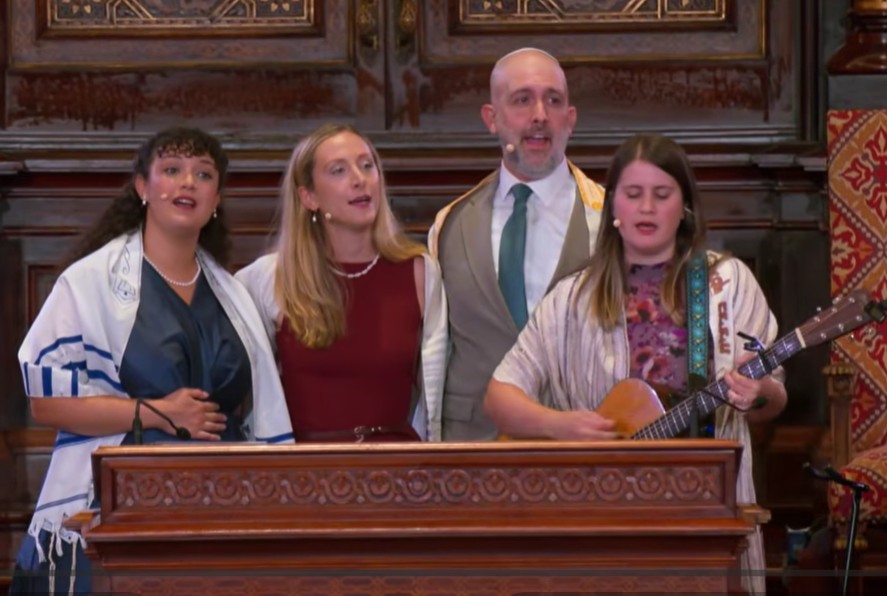
    They all responded on Friday night with fear at first, yes, but also with great grace and professionalism. Rabbi Andrew calmed the congregation. Rabbi Rachel extended that calm by having everyone sit quietly and just breathe. These services always begin with joyful singing, and Cantor Jenna, although shaken, re-started the song that had been interrupted. Rabbi Rebecca modified her prepared sermon to speak to the situation.

    In other words, the service continued, and joy returned.


    The following morning’s service was packed with synagogue members and with those of us who don’t live in New York but who Zoom in to Saturday services. It, too, was a joyful service.

    Growing up in Appalachia, I often heard people speaking of joy “in the sweet by and by” or “when we all get to heaven.” It seemed people slogged through this life and looked to a joyful existence after death. I have found in the Jewish faith that Jews look to life here as an opportunity to express joy.

    I’ve learned that we can hold two emotions at the same time. Grief and joy. Fear and joy. There’s an ancient Talmudic story of a wedding procession and a funeral procession that meet and block each other’s path. The Jewish sages taught that life takes precedence over death and that the funeral procession should step aside and let the joyous wedding procession pass.

    Yesterday, while scrolling through Instagram I ran across many supportive posts about the incident at Central Synagogue and the joy that was present in the service afterwards. However, there was a comment that questioned the joy and declared that it was not joy, but denial.

    My answer to that comment is that no one denied anything, not the seriousness of the situation and not the fear it caused. The joy was genuine in spite of what happened.

    Jewish joy is an act of resilience and an act of resistance.

    “Joy is the ultimate medicine and remedy against fear” (Carlos Santana)


  • Conversion anniversary

    Conversion anniversary

    Today, March 14 2026, is the second anniversary of my conversion to Judaism.

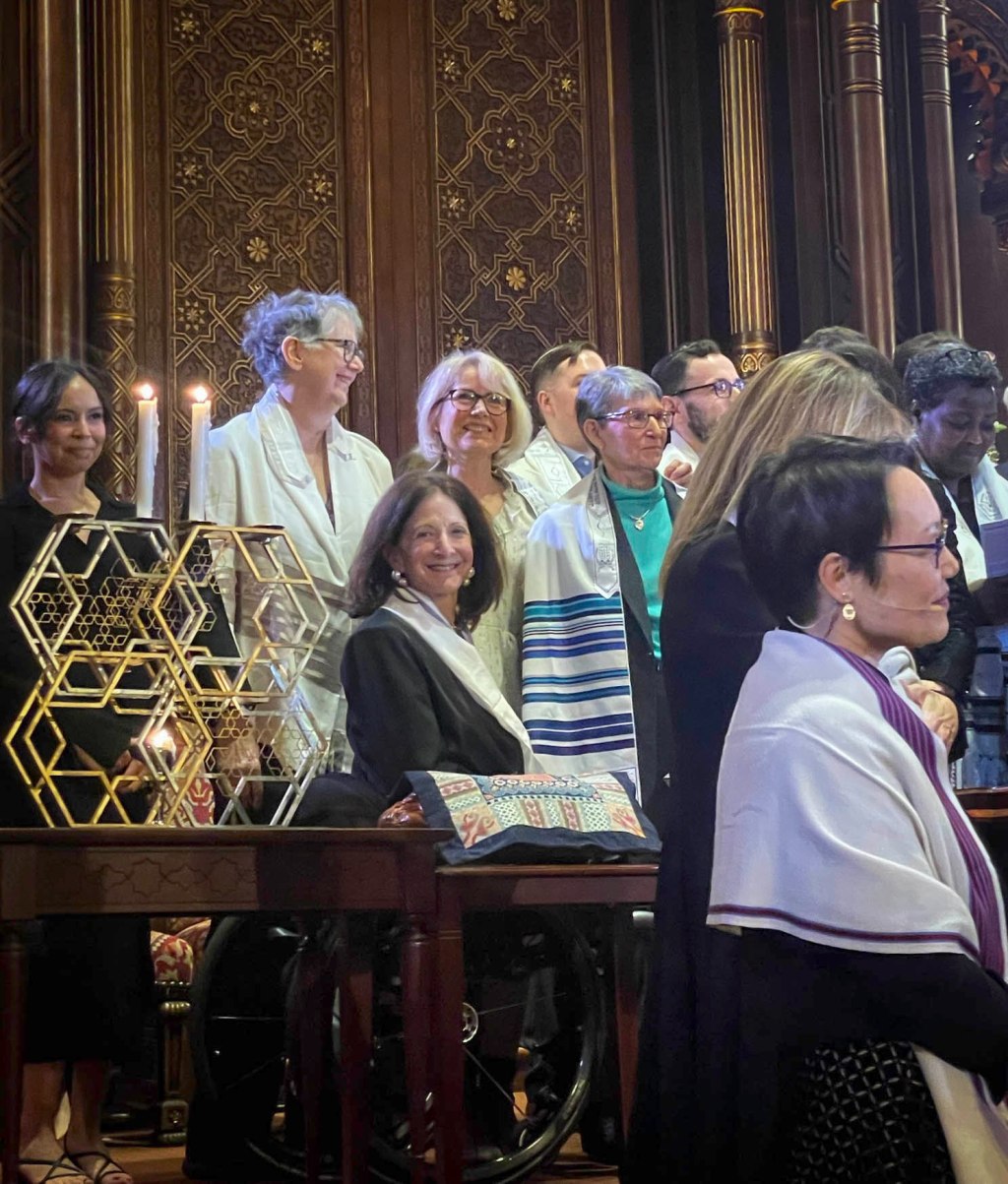
    The day after conversion, along with others who had converted during the previous year, I was on the bimah at Central Synagogue in New York City during the Friday evening Shabbat service to be recognized and to receive the priestly benediction from Senior Rabbi Angela Buchdahl (bottom right). I am in the turquoise turtleneck.

    I received this photo today from my friend and conversion colleague Rosemary, who is seated in a wheelchair and is looking directly at the camera. Her husband took the photo, and today is the first time I have seen it.

  • Lord, Prepare Me to Be a Sanctuary

    Lord, Prepare Me to Be a Sanctuary

    The worship song “Lord, Prepare Me to Be a Sanctuary,” written by a songwriter with Appalachian roots, can be found in many modern Christian hymnals and is sung in many Christian churches. However, it also is sung in Jewish synagogues.

    Also known simply by the title “Sanctuary,” the song was written by Randy Scruggs and John W. Thompson.

    Scruggs, who wrote the lyrics, was famous in his own right as a musician, producer and songwriter, and was the son of Appalachian bluegrass musician Earl Scruggs, remembered for popularizing a three-finger style of playing the banjo.

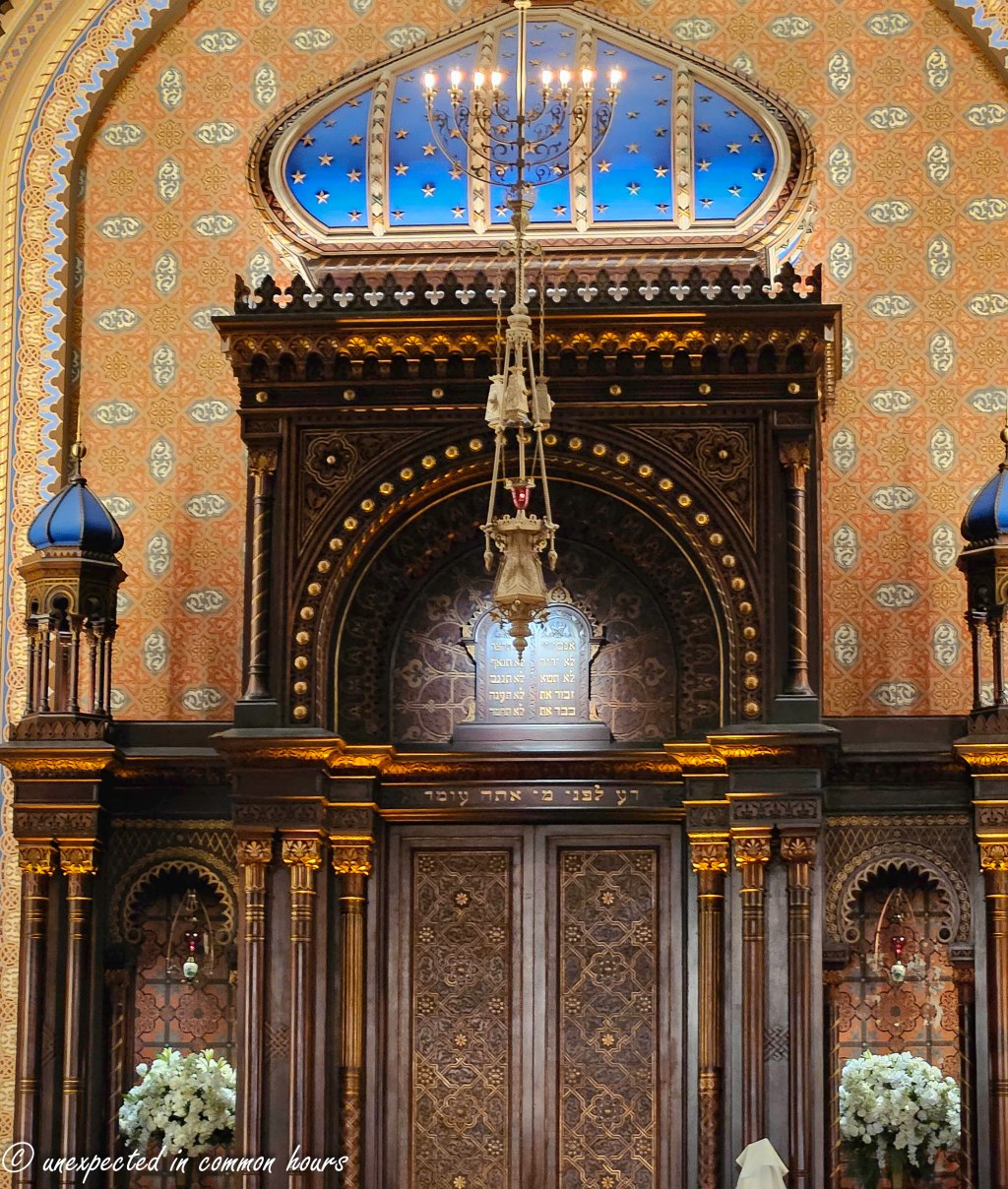
    This past week, “Sanctuary” was sung at Central Synagogue in New York City in conjunction with the assigned Torah portion of the week, the portion from the Book of Exodus in which Moses was instructed to have the Hebrew people build the Mishkan, the portable sanctuary that would travel with them through the desert.

    As an online member of Central Synagogue, I participated in a Wednesday Torah study during which we all sang “Sanctuary.” We sang it again during the Friday night Shabbat service which I livestreamed, and a third time during the Saturday morning Mishkan service in which I participate through Zoom.

    I wonder how many Jews realize that this was written as a Christian song by someone with Appalachian roots. And I wonder how many Christians know that Jews also sing the song during services, often adding words from Exodus in Hebrew:

    V’asu li mikdash (Make for me a sanctuary)

    V’shochanti b’tocham (That I may dwell among them)

    Va’anachnu n’varech yah (And we will bless God/Yah)

    Me-ata v’ad olam (From now and forever) 


    Here, Julia Cadrain who is a former cantor at Central Synagogue, sings both the Hebrew and English lyrics. (Note: Although the title of the video says that this is a Shaker hymn, it is a contemporary song, copyrighted in 1982.)